
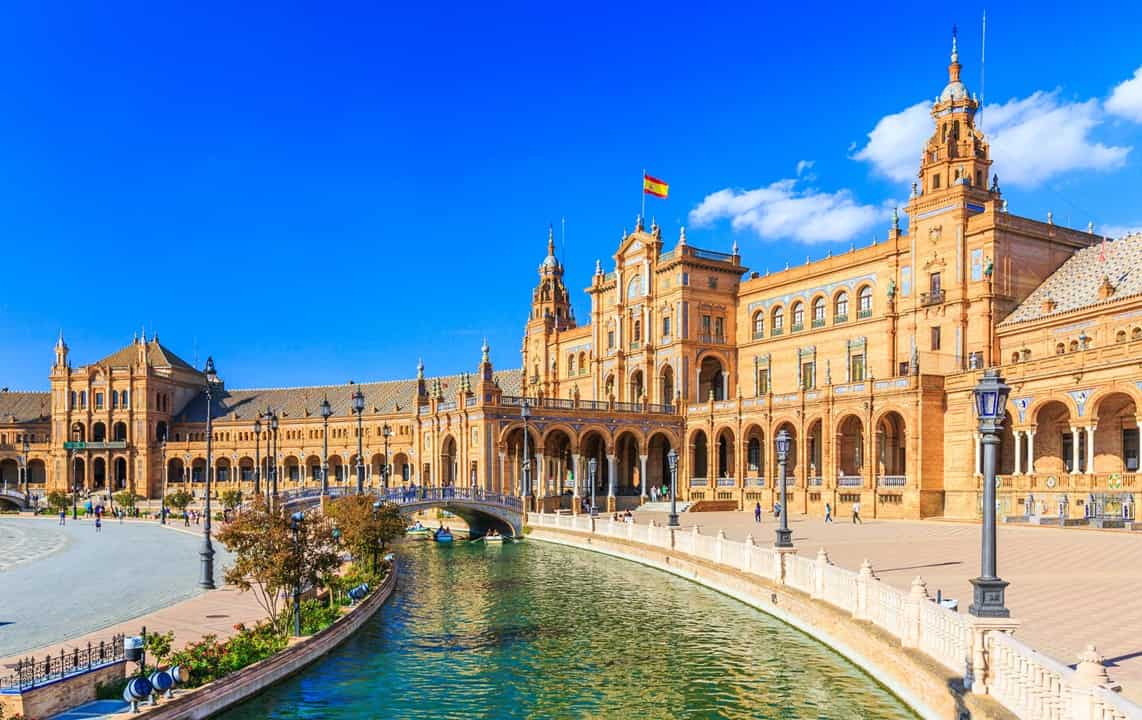
Budget travel in Spain is not just possible – it is one of the easiest countries in Europe to enjoy deeply on a modest budget. Spain combines affordable food, great public transport, and many free or low‑cost cultural experiences, which makes it a perfect first European destination for budget‑conscious travelers.
Below is a complete, first‑timer‑friendly guide of about 1500 words that you can use as a polished article or adapt for your own content.
Why Spain Is Perfect for Budget Travelers
Spain consistently ranks as one of the more affordable Western European destinations. You get a strong mix of culture, beaches, nightlife, and food at prices that are often lower than France, Italy, or the UK.
For first‑time visitors, the key advantages are:
- Wide range of budget accommodation (from hostels to simple guesthouses and apartments)
- Cheap and efficient intercity buses, plus many regional trains and budget airlines
- Tapas culture and menú del día (fixed lunch menus) that keep food costs low
- Many museums, churches, parks, and viewpoints that are free or have discounted hours
If you plan strategically – especially around where you go and when – Spain can easily fit a backpacker budget or an entry‑level “Europe on a budget” trip.
Best Time to Visit Spain on a Budget
Spain has several “faces” depending on the season, and your budget experience will change a lot with the time of year.
Low / shoulder seasons (best for saving money)
- Late October–March (excluding Christmas/New Year and Easter): Cheapest overall. Accommodation prices drop, cities are less crowded, and flights are often lower. Ideal for city trips to Madrid, Seville, Valencia, and cultural sightseeing.
- April–early June and late September–mid October: Shoulder seasons with good weather and fewer crowds than peak summer. Great balance between price and experience.
Peak season (when to be careful)
- July–August: High season almost everywhere, especially along the Mediterranean coast, Balearic Islands (Mallorca, Ibiza, Menorca), and big cities like Barcelona. Expect higher prices and crowded attractions. If you must go then, book transport and accommodation well in advance and consider lesser‑known regions (northern Spain, smaller inland towns).
Budget tip:
Travel in the shoulder seasons when flights and rooms are cheaper, but most attractions and beach weather are still available. You’ll spend less and enjoy Spain with fewer crowds.
How Much Does a Budget Trip to Spain Cost?
Your daily budget will depend on your travel style and the cities you choose, but here are rough ranges (per person, per day):
- Shoestring backpacker: 40–60 EUR
- Dorm bed in a hostel, self‑catering or cheap tapas, buses/metro, mostly free activities
- Comfortable budget traveler: 60–90 EUR
- Private room in budget hotel or guesthouse, daily restaurant meals (menú del día), some paid attractions, intercity buses or occasional train/flight deals
- Mid‑range: 90–130+ EUR
- Central hotel, regular dining out, intercity trains/low‑cost flights, more paid tours and activities
Choosing smaller or mid‑sized cities can lower this further. Barcelona and Madrid are more expensive; cities like Valencia, Seville, Granada, and Málaga are often more budget‑friendly.
Budget‑Friendly Destinations for First‑Timers
For a first visit, most people try to combine a mix of big cities and historic or coastal destinations. Here are some budget‑friendly choices:
Madrid
Spain’s capital is surprisingly manageable on a budget. Many of its top museums (like the Prado or Reina Sofía) have free or reduced‑price hours several days a week. Public transport is cheap and efficient, and neighborhoods like Lavapiés or Malasaña have plenty of affordable tapas bars, hostels, and simple hotels.
Why it’s good for budget travelers:
- Free museum hours and public parks (Retiro, Temple of Debod, Casa de Campo)
- Good value menú del día at lunchtime
- Plenty of cheap hostels and guesthouses
Barcelona
Barcelona is one of the most popular (and expensive) cities in Spain, but you can still do it on a budget with careful planning.
Why it’s good:
- Beaches are free, and walking through the Gothic Quarter or along La Rambla costs nothing
- Many Gaudí sights are visible from the outside or from viewpoints, even if you don’t pay for every interior tour
- A strong hostel scene for price‑conscious travelers
However, accommodation and some attractions are pricier here than in the rest of the country, so limit nights in Barcelona or balance them with cheaper cities.
Andalusia (Seville, Granada, Córdoba, Málaga)
Andalusia is a paradise for budget travelers. Cities here tend to have cheaper food and accommodation, and many still maintain a strong tradition of free or very cheap tapas when you buy a drink.
- Seville: Gorgeous historic center, free or low‑cost viewpoints, and parks. Perfect for walking.
- Granada: Famous for the Alhambra (which requires a ticket) but also known for free tapas with drinks in many bars.
- Córdoba: Stunning Mezquita, charming whitewashed streets, and reasonably priced stays.
- Málaga: Budget coastal city with beaches, historic sights, and cheap transport connections.
Valencia
Valencia offers beaches, a pleasant old town, the City of Arts and Sciences, and a calmer vibe than Barcelona, often at lower prices. It’s a strong choice for first‑timers who want coast plus culture without the same crowd intensity.
Cheap and Smart Ways to Get Around
Getting to Spain
- Look for budget airlines flying into Madrid, Barcelona, Valencia, Málaga, or other major cities.
- If you are combining Spain with other European countries, check multi‑city tickets or stopover options that let you add Spain without much extra cost.
Being flexible with airports and dates can significantly reduce your flight cost.
Transport within Spain
Spain has a very good bus and train network, plus lots of low‑cost flights.
- Buses: Usually the cheapest way to travel between cities. Companies connect most major and mid‑sized destinations. Travel times are reasonable, and many buses have Wi‑Fi and comfortable seats.
- Trains: Fast trains (AVE) are more expensive but much quicker for longer routes like Madrid–Barcelona or Madrid–Seville. Slower regional trains can be cheaper but take longer.
- Budget airlines: For long distances (e.g., Barcelona to the Canary Islands or Balearic Islands), low‑cost airlines can be cheaper than trains if you book early and travel light (only hand luggage).
- Public transit in cities: Metros, buses, and trams are affordable. Many cities offer multi‑ride tickets or day passes, which can reduce costs if you use public transport often.
- Walking and biking: Many Spanish cities are very walkable and increasingly bike‑friendly. Walking or cycling is often the best way to experience a city center for free.
Budget tip:
Compare bus vs. train vs. budget airline for each leg. For short and mid‑range distances, buses are often the best value; for long routes, a promo fare on a fast train or low‑cost airline can be worth it.
Saving on Accommodation
Accommodation will be one of your biggest expenses, but there are many ways to reduce it:
Types of budget accommodation
- Hostels: Ideal for solo travelers and young people or anyone comfortable with dorms. Many hostels in Spain are modern, clean, and social, often offering kitchens where you can cook your own meals.
- Budget hotels and guesthouses (pensiones, hostales): Not the same as “hostels” in English – in Spain, “hostal” or “pensión” is often a small, simple hotel or guesthouse with private rooms and sometimes shared bathrooms.
- Apartments: For couples, families, or small groups, apartments can be cost‑effective, especially if you stay several days and use the kitchen.
- Alternative options: Home‑stay, work‑exchange, or volunteer platforms can drastically reduce accommodation costs if you’re staying longer.
How to get better prices
- Avoid peak season for popular beach areas.
- Book in advance for major cities and holidays.
- Compare prices on different booking platforms and directly on the property’s site.
- Be flexible about location within the city; staying slightly outside the center (but near metro or bus) can reduce costs.
Budget tip:
If you stay at least 3–4 nights in one place, apartments or guesthouses with shared kitchens help you save significantly on food.
Eating Well Without Overspending
Spanish food is a huge part of the travel experience, and the good news is that you can eat very well on a budget.
Tapas and menú del día
- Tapas: Small plates meant for sharing. In many cities, especially in Andalusia, you can find bars that include a free tapa with every drink, making it possible to eat quite cheaply.
- Menú del día: Fixed‑price lunch menu usually available on weekdays. Includes a starter, main course, bread, drink, and sometimes dessert or coffee for a very reasonable price. This is one of the best ways to eat good, sit‑down meals without paying tourist prices.
Supermarkets and markets
- Buy water, snacks, fruit, and basic foods in supermarkets instead of in tourist kiosks.
- Local markets (mercados) often sell fresh produce, cheese, cured meats, and bread that you can turn into inexpensive picnic lunches.
Avoiding overpriced spots
- Step away from main tourist streets and plazas. Prices drop noticeably just a couple of blocks away.
- Be cautious with places that have staff aggressively calling you in or menus translated into many languages with flashy photos. These often target tourists and tend to be overpriced.
Budget tip:
Make lunch your main hot meal (using menú del día) and keep dinner lighter with tapas or supermarket food. This often aligns better with local eating patterns and your budget.
Free and Low‑Cost Things to Do
Spain is rich in culture and history, and a lot of it is accessible for free or at low cost.
Free walking tours
Most major cities offer “free” walking tours. You join the group, learn about the city, and tip the guide what you can at the end. It’s one of the best first‑day activities for first‑time visitors: you get orientation, history, and local tips.
Museums and monuments
Many museums and cultural sites have:
- Free entry days or free hours (often evenings on specific weekdays)
- Reduced prices for students, young people, or EU citizens
- Combination tickets or city passes that cover several attractions for one price
Check the official websites of the museums you want to visit and plan your schedule to hit free or reduced‑price timings.
Parks, beaches, viewpoints, and festivals
- City parks are great for picnics and relaxing at no cost.
- Urban and nearby beaches are free and often easy to reach by public transit.
- Many cities have free viewpoints (miradores) where you can watch the sunset without paying for a fancy rooftop bar.
- Festivals, parades, and street performances are common throughout the year, especially in spring and summer, and many are free to join or watch.
Practical Money‑Saving Tips for First‑Time Visitors
Here are some extra strategies to keep your spending under control:
- Set a daily budget: Decide how much you plan to spend per day and track it. This simple habit prevents overspending.
- Pay in euros, avoid “dynamic currency conversion”: If asked whether you want to pay in your home currency on a card machine, choose to pay in euros to avoid bad exchange rates.
- Use local ATMs wisely: Withdraw larger amounts less often to reduce ATM fees, but always balance this with safety (don’t carry too much cash at once).
- Use refillable water bottles: Tap water is drinkable in many parts of Spain, but check locally. When it is safe, refilling a bottle saves money and reduces plastic use.
- Learn a few Spanish phrases: Even basic phrases show respect and can make interactions smoother, sometimes leading to better local recommendations and experiences.
Sample 7‑Day Budget Itinerary for First‑Timers
Here’s a simple, budget‑friendly outline for a first trip, assuming you arrive in Madrid:
- Day 1–2: Madrid
- Free walking tour, explore old town, Retiro Park, and hit free museum hours.
- Day 3–4: Seville
- Travel by bus or train. Explore the cathedral exterior, Plaza de España, Maria Luisa Park, and a budget flamenco show. Walk everywhere.
- Day 5: Córdoba (day trip from Seville)
- Wander the old town, Jewish quarter, and Roman bridge; pay only for the sights you value most.
- Day 6–7: Málaga or Granada
- Choose Málaga for the beach and coastal vibe, or Granada for the Alhambra and free tapas scene. Return to Madrid or fly out from your final city if tickets are cheap.
You can adjust this to include Barcelona or Valencia depending on your arrival city and flight deals, but focusing on one or two regions helps reduce transport costs.