
Traveling around Spain is one of the biggest variables in your budget: pick the wrong transport for each route and you’ll literally waste both time and money. This guide breaks down trains, buses, and flights so first‑time visitors can choose the cheapest smart option for each leg rather than defaulting to whatever looks easiest.
Big Picture: How to Choose
As a rule of thumb:
- Buses are usually cheapest but slowest for long distances.
- Trains are fastest on popular corridors, especially high‑speed lines, but can be pricey without early booking.
- Budget flights can be the best value for very long trips or island hops if you book ahead and pack light.
Think in terms of distance:
- Short routes (under 3–4 hours by road): bus or regional train.
- Medium routes (4–6 hours by road): compare bus vs. advance high‑speed train deals.
- Long routes (cross‑country or islands): compare budget airlines vs. high‑speed trains; buses usually only if you’re truly squeezing every euro.
Trains in Spain: When They’re Worth It
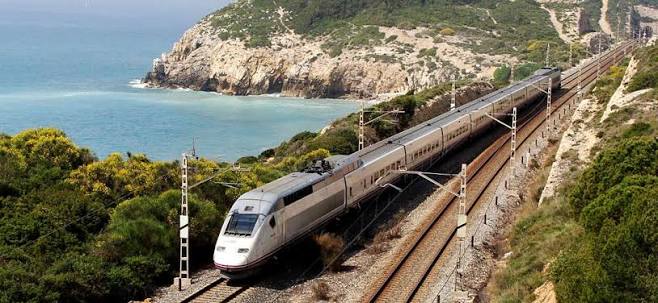
Spain’s train system (mainly operated by Renfe plus low‑cost competitors) is fast and comfortable, but not always the cheapest.
Pros of trains
- Speed on major routes: High‑speed AVE and similar trains can cut Madrid–Barcelona to around 2.5–3 hours versus 7–8 by bus.
- Comfort: More space than planes or buses, you can walk around, no airport security hassle, and city‑center stations.
- Low‑cost train brands: On some routes (e.g., Madrid–Barcelona) low‑cost services like Avlo and Ouigo offer very cheap advance fares that can rival buses or flights.
Cons of trains
- Price volatility: Last‑minute tickets for high‑speed trains can be very expensive, sometimes more than a flight.
- Complex booking: Many travelers find Renfe’s website confusing and prefer aggregators like Omio, which may add small fees.
When to choose trains
- Iconic high‑speed routes:
- Madrid–Barcelona
- Madrid–Seville / Córdoba / Málaga
These are ideal for AVE/Avlo/Ouigo when booked early.
- Regional hops:
Short‑distance regional trains can be comparable in price to buses and sometimes faster, especially in well‑connected regions like Catalonia or around Madrid.
Budget strategy with trains:
- Book several weeks ahead for popular dates to unlock low fares.
- Be flexible with departure times; off‑peak trains are cheaper.
- Compare low‑cost rail (Avlo, Ouigo) against buses and budget airlines for each route.
Buses in Spain: The Budget Workhorse
For most backpackers and budget travelers, buses are the backbone of getting around Spain.
Pros of buses
- Usually the cheapest intercity option: Especially if you’re booking closer to the travel date.
- Huge network: Bus companies connect big cities, smaller towns, and rural areas where trains don’t reach.
- Simple booking: Aggregator sites and company websites (for example, large operators like ALSA) make routes and prices easy to see.
Cons of buses
- Slower travel: A route that takes 2.5–3 hours by train may take 6–8 hours by bus.
- Less comfort on very long rides: Overnight or long daytime buses can be tiring, even if they save money.
When to choose buses
- Short and medium routes:
- Madrid–Toledo, Seville–Granada, Valencia–Alicante, Málaga–Granada, etc.
- These are often cheapest by bus and not dramatically slower.
- Last‑minute bookings:
When trains and flights have gone up in price, buses usually remain affordable. - Indirect routes and small towns:
If a route requires multiple train changes or doesn’t have a convenient rail option, buses are almost always better.
Budget strategy with buses:
- Use comparison/booking tools to see several companies and departure times in one place.
- Check if slightly longer routes or off‑peak times drop the price significantly.
- For overnight routes, compare an overnight bus + saved hotel night vs. a cheaper daytime bus plus accommodation.
Budget Flights: When Flying Is Cheaper Than the Train
Domestic flights in Spain can be shockingly cheap on no‑frills airlines like Vueling, Ryanair, and others, especially between big cities and islands.
Pros of budget flights
- Great for long distances: On routes like Barcelona–Seville or Bilbao–Málaga, flights can save several hours over buses or slower trains.
- Low headline prices: With advance booking and light luggage, it’s common to find fares lower than high‑speed trains and sometimes even long‑distance buses.
Cons of budget flights
- Extra costs: Paying for checked bags, seat selection, and sometimes even hand luggage can quickly push prices above train or bus costs.
- Airport time: You need to factor in getting to and from airports and arriving early for security, which often cancels out some of the time advantage on shorter routes.
When to choose flights
- Very long mainland routes:
For example, Barcelona–Málaga, Barcelona–Seville, or Bilbao–Andalusia can be far faster and sometimes cheaper by air than by land. - Islands:
To or between the Balearic Islands and Canary Islands, flights are usually the default choice and often the most affordable.
Budget strategy with flights:
- Travel with only a small backpack or cabin‑size bag to avoid luggage fees.
- Compare final price including baggage vs. train/bus.
- Use flexible date searches to find cheaper days to fly.
Trains vs. Buses vs. Flights: At a Glance
| Aspect | Trains (incl. low‑cost) | Buses | Budget Flights |
|---|---|---|---|
| Typical cost | Cheap if booked early, expensive last‑minute | Usually the lowest overall | Very cheap headline fares, extra fees add up |
| Speed | Fast on main lines (AVE); slower regionally | Slowest on long routes | Fastest on long and island routes |
| Comfort | Spacious, can move around | Varies; decent but tighter on long rides | Tight seats, airport hassle |
| Booking complexity | Can be confusing; aggregators help | Easy via bus sites/aggregators | Easy, but must watch fees and airports |
| Best for | Major city pairs, medium‑long routes, planners | Short/medium routes, last‑minute, smaller towns | Cross‑country, islands, very long routes |
Practical Route Examples for First‑Timers
Madrid ↔ Barcelona
- Best budget choice: Low‑cost high‑speed trains (Avlo, Ouigo) booked early; they can be as low as a few euros on promo fares.
- Buses: Much cheaper than last‑minute AVE but take double or triple the time.
- Flights: Sometimes cheap, but when you add airport time and transfers, trains usually win for convenience.
Madrid ↔ Andalusia (Seville, Córdoba, Málaga)
- Best value for time: High‑speed trains booked in advance.
- Cheapest overall: Buses if you’re booking late or don’t mind longer travel times.
- Flights: Can be competitive on Madrid–Málaga or Madrid–Seville, but normally only worth it with a great deal or as part of a broader flight itinerary.
Barcelona ↔ Andalusia (Seville, Málaga, Granada)
- Long distance: Here flights often make sense; they can be cheaper than high‑speed trains and much faster than buses.
- Trains: Possible but long and can get expensive. You’d choose these if you dislike flying and find a promotion.
- Buses: Usually cheapest but take many hours; consider only if your budget is extremely tight or you like overnight travel.
Money‑Saving Transport Tips for Spain
To keep your transport budget under control while still moving efficiently:
- Plan your route regionally: Stay within one or two regions (e.g., Madrid + Andalusia, or Barcelona + Valencia) instead of zig‑zagging across the country. This reduces long, expensive transfers.
- Book the “expensive” legs early: For high‑speed trains and flights, booking weeks in advance can save a lot of money versus buying a few days before.
- Mix and match modes: You might take a cheap flight for one long hop, trains for major corridors, and buses for short or regional routes.
- Use tools that show all options: Transport comparison sites can display buses, trains, and flights for the same route so you see which is truly cheapest and fastest on your date.