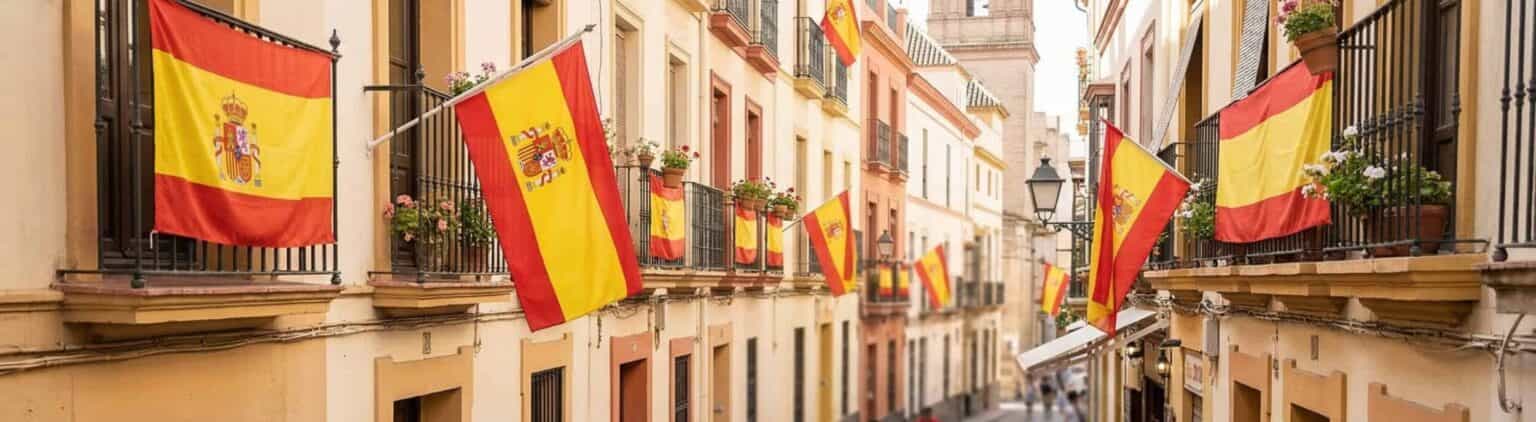
Spain is the second most visited country in the world, attracting over 82 million tourists annually. Yet beyond the crowded streets of Barcelona, Madrid, and Ibiza, an entirely different Spain awaits — one full of medieval villages, pristine beaches, dramatic mountains, and rich culture, all at a fraction of the cost. If you’re a budget traveler seeking authenticity over Instagram-famous selfie spots, this guide is for you.
Why Skip the Obvious?
Popular destinations like Barcelona and Madrid have seen hotel prices skyrocket in recent years. By trading these giants for midsize cities and lesser-known regions like Extremadura, Aragón, or Galicia, you’ll find far fewer crowds and significantly lower costs. Accommodations in these hidden gems often start as low as €14–€35 per night. The reward? An authentic Spain that most tourists never experience.
Northern Spain’s Hidden Gems
1. Lugo, Galicia
Lugo is one of Spain’s best-kept secrets and arguably one of its most historically significant cities. It’s the only city in the world entirely surrounded by intact Roman walls — and walking along them is completely free. Accommodation and food costs here are well below the national average.
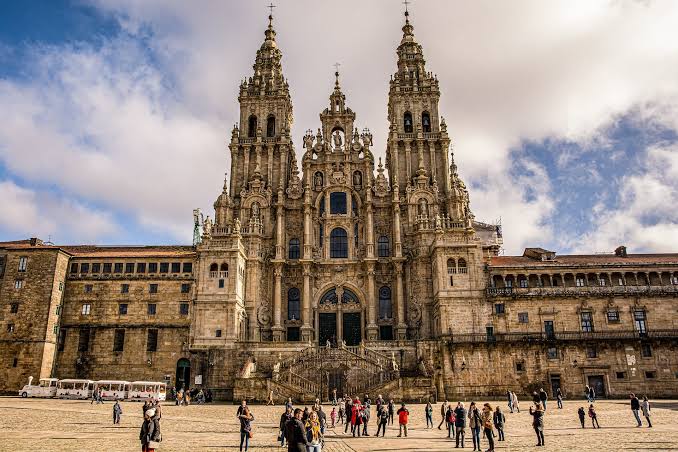
2. Santiago de Compostela, Galicia
While pilgrims have known about Santiago for centuries, it remains far cheaper than Spain’s coastal resorts. Hostels along the Camino de Santiago offer beds from under €20 per night, and the city’s baroque cathedral and stone-paved old town are free to explore.
3. Cantabria’s Coast
Beaches like Somo and Liencres in Cantabria offer the rugged Atlantic coastline without the price tags of the south. You can hike sections of the Picos de Europa, visit the mysterious El Soplao caves, and stay in affordable rural guesthouses for €40–€60 per night.
4. Rías Baixas, Galicia
In this region of fjord-like inlets, you can spend a day at unspoiled beaches like Melide or A Lanzada, visit the charming village of Combarro, or explore the island of A Toxa — spending little more than transport costs. Local pulperías (octopus restaurants) in O Grove serve enormous plates for just a few euros.
5. Valle del Jerte, Extremadura
Every spring, this valley transforms into a sea of white cherry blossoms — a spectacle that rivals Japan’s sakura season but costs almost nothing to see. In summer and autumn, the valley offers hiking, swimming in natural pools, and rural accommodation at very reasonable prices.
Central Spain’s Underrated Towns
6. Albarracín, Aragón
Consistently ranked among Spain’s most beautiful villages, Albarracín is a medieval gem of terracotta-colored stone walls and narrow cobblestone streets perched above a gorge. Entry to the village is free, and rural hotels in the area are pleasantly affordable.
7. Toledo
Just 70 km from Madrid, Toledo is a city embraced by the River Tagus that blends Christian, Muslim, and Jewish heritage in one remarkable hilltop skyline. Many of its viewpoints and streets are free to wander, and day-trippers from Madrid can easily visit without paying for accommodation.
8. Frías, Castilla y León
Frías holds the title of Spain’s smallest officially recognized city, with a population of barely 200 people. Its dramatic castle perches on a rocky outcrop above a medieval bridge, and the whole village can be explored for almost no money — a true hidden treasure.
9. Cuenca
Famous for its “hanging houses” (Casas Colgadas) built into the cliffside, Cuenca is one of Spain’s most photogenic yet overlooked cities. The old town is a UNESCO World Heritage Site, and many of its museums offer free or heavily discounted entry on weekends.
Andalusia Beyond the Classics
Woman in a straw hat descending stairs towards a hexagonal viewing platform over a rocky cliff, likely in Spain.
10. Granada
Granada is one of the cheapest cities in all of Spain, where you can stay in central hostels from €35 per night and eat for almost nothing — many bars serve free tapas with every drink. The Albaicín neighborhood, the Sacromonte viewpoints, and the Paseo de los Tristes are entirely free, and the Alhambra, while ticketed, remains one of Europe’s most breathtaking experiences.
11. Huelva Province
An affordable alternative to Andalusia’s more saturated destinations, Huelva offers kilometers of unspoiled beach, the spiritual village of El Rocío, and Punta Umbría — all at very accessible prices. Seafood here is incredibly fresh and cheap, especially in coastal villages like Isla Cristina and Almonte.
12. Cádiz
Cádiz is a city built for walking — its urban beaches, the sunset at La Caleta, and the bohemian La Viña neighborhood are all free. Local freidurías (fried fish shops) serve cones of fresh seafood for just €2–€3, making it one of the best food destinations in Spain on a budget.
13. Almería
Almería remains criminally undervisited. Its Cabo de Gata beaches — including Mónsul and Genoveses — are absolutely pristine and completely free to access. The nearby Tabernas Desert (Europe’s only true desert, famously used in Spaghetti Western films) offers a surreal landscape at zero cost.
The Mediterranean on a Budget
14. Alicante (Off-Season)
Alicante offers Mediterranean sunshine, a hilltop castle, and a vibrant tapas scene — all without the crowds or prices of Barcelona. Visit outside of July and August and you’ll find hotel prices drop by 40–60%, while the city’s beaches and historic quarter remain just as beautiful.
15. Calpe, Alicante
Though it gets busy in peak summer, Calpe off-season delivers the best of the Mediterranean at surprisingly low prices. The iconic Peñón de Ifach rock formation rises dramatically from the sea, and hiking to its summit is free.
16. L’Escala, Girona (Costa Brava)
This small fishing town on the Costa Brava proves you don’t need to pay Costa Brava resort prices to enjoy its scenery. Ancient Greek and Roman ruins at Empúries are just minutes from L’Escala’s beach, and the town’s local anchovy industry means fresh, cheap seafood is always on the menu.
Natural Wonders and Mountain Villages
Granada is one of the cheapest cities in all of Spain, where you can stay in central hostels from €35 per night and eat for almost nothing — many bars serve free tapas with every drink. The Albaicín neighborhood, the Sacromonte viewpoints, and the Paseo de los Tristes are entirely free, and the Alhambra, while ticketed, remains one of Europe’s most breathtaking experiences.
11. Huelva Province
An affordable alternative to Andalusia’s more saturated destinations, Huelva offers kilometers of unspoiled beach, the spiritual village of El Rocío, and Punta Umbría — all at very accessible prices. Seafood here is incredibly fresh and cheap, especially in coastal villages like Isla Cristina and Almonte.
12. Cádiz
Cádiz is a city built for walking — its urban beaches, the sunset at La Caleta, and the bohemian La Viña neighborhood are all free. Local freidurías (fried fish shops) serve cones of fresh seafood for just €2–€3, making it one of the best food destinations in Spain on a budget.
13. Almería
Almería remains criminally undervisited. Its Cabo de Gata beaches — including Mónsul and Genoveses — are absolutely pristine and completely free to access. The nearby Tabernas Desert (Europe’s only true desert, famously used in Spaghetti Western films) offers a surreal landscape at zero cost.
The Mediterranean on a Budget
14. Alicante (Off-Season)
Alicante offers Mediterranean sunshine, a hilltop castle, and a vibrant tapas scene — all without the crowds or prices of Barcelona. Visit outside of July and August and you’ll find hotel prices drop by 40–60%, while the city’s beaches and historic quarter remain just as beautiful.
15. Calpe, Alicante
Though it gets busy in peak summer, Calpe off-season delivers the best of the Mediterranean at surprisingly low prices. The iconic Peñón de Ifach rock formation rises dramatically from the sea, and hiking to its summit is free.
16. L’Escala, Girona (Costa Brava)
This small fishing town on the Costa Brava proves you don’t need to pay Costa Brava resort prices to enjoy its scenery. Ancient Greek and Roman ruins at Empúries are just minutes from L’Escala’s beach, and the town’s local anchovy industry means fresh, cheap seafood is always on the menu.
Natural Wonders and Mountain Villages
17. Alquézar, Aragón (Pyrenees)
Alquézar is a hidden corner of the Pyrenees that feels like a fairy-tale village suspended above a river canyon. Hiking the famous Cañon del Vero gorge costs nothing, and the medieval village charges no entry fee. Rural guesthouses here are charming and affordable.
18. Cazorla Natural Park, Jaén
The Parque Natural de Cazorla, Segura y Las Villas is the largest protected area in Spain and one of the most biodiverse regions in Europe. Hiking, wildlife-watching, and exploring the medieval town of Cazorla itself costs very little — and the park’s rural tourism infrastructure offers great value accommodation.
19. La Alpujarra, Granada
Tucked into the southern slopes of the Sierra Nevada, La Alpujarra is a cluster of white Moorish-influenced villages that feel completely frozen in time. The town of Pampaneira, Bubión, and Capileira can all be walked between, and local inns offer rooms for €30–€50 a night. The views of the snowcapped Sierra Nevada above and the Mediterranean below are priceless.
20. Bañares, La Rioja
Few tourists ever set foot in Bañares, a tiny village in La Rioja wine country where wine route tastings are often free or nearly free. La Rioja as a whole is one of Spain’s most budget-friendly regions — you can enjoy world-class Rioja wine directly at the source for a fraction of what it costs abroad, and the rolling vineyard landscape is spectacular.
Practical Tips for Budget Travel in Spain
Stretching your euros further in Spain is easier than most people think. Consider these strategies:
- Stay in monasteries: Many historic convents and monasteries across Spain operate as guesthouses for under €100 per night — no religious affiliation required
- Eat the menú del día: Most Spanish restaurants offer a fixed lunch menu of 2–3 courses with drink for €10–€14
- Travel off-peak: Visiting between October and May (except Easter) dramatically reduces accommodation and transport costs
- Use regional buses: Spain’s regional bus networks are much cheaper than AVE high-speed trains and connect even small villages
- Seek free museum days: Most state-run museums offer free entry on Sundays or certain evenings
Spain’s lesser-known corners are not just cheap — they are often more genuinely Spanish than the tourist-saturated hotspots. From the Roman walls of Lugo to the hanging houses of Cuenca, from the cherry blossoms of Valle del Jerte to the volcanic beaches of Almería, these 20 destinations prove that the best experiences in Spain don’t always come with the highest price tags. The secret is simply knowing where to look.