
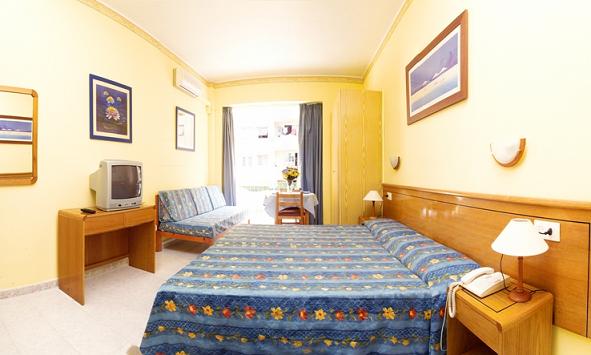
Finding cheap accommodation in Spain doesn’t have to mean sleeping on a uncomfortable hostel bed in a noisy neighborhood. In 2026, you can still enjoy comfort, safety, and a good location while keeping costs low by using the right platforms, timing, and strategies.
With average weekly rents for coastal holiday apartments hitting around €1,270 (up €110 from 2024), strategic booking is essential for budget travelers, content creators, and digital nomads who want quality without overpaying. Here’s a complete guide to finding cheap accommodation in Spain without sacrificing comfort.
1. Use the Right Booking Platforms and Filters
The first step is to use platforms that offer both variety and price control.
Best platforms for cheap but comfortable stays
- Booking.com: Huge inventory, price filters, and “free cancellation” options; also lists hotels and rentals.
- Hostelworld: Ideal for hostels and budget hotels, with detailed reviews and dorm/private room options.
- Airbnb: Great for apartments, studios, and single rooms, often cheaper than hotels when traveling with others.
- Agoda: Often has very low rates, with promos as low as $8 per night in some cases.
- TripAdvisor: Use the map view to find restaurants and then search for nearby Airbnbs or hotels.
- Local Spanish platforms:
- Escapada Rural: Rural retreats, boutique hotels, and eco-friendly lodges not listed on big international sites.
- Club Marco Polo: Local accommodations, rural stays, and boutique options.
Smart filtering tips
- Use price filters to see only what fits your budget.
- Filter by “Free cancellation” to avoid losing money if prices drop later.
- Select “Private room” in hostels or guesthouses for more comfort at a low cost.
- Look for ratings 8.0+ to ensure quality without luxury prices.
2. Stay Outside the City Center or in Suburbs
One of the easiest ways to save money is to avoid the most tourist-heavy areas.
Why outskirts work
- Less competition: Tourist hotspots in city centers or main beaches remain expensive.
- Lower prices: Hotels in suburbs or outskirts often slash their prices.
- Good transport: Spain’s bus and train systems are efficient, so commuting for sightseeing is not as inconvenient.
- Quiet nights: Away from the hustle, you may enjoy more relaxed nights in local neighborhoods.
Practical example in Madrid
- SLEEP’N Atocha (2-star near Reina Sofía): around $150/night in October.
- Crisol Via Castellana (4-star near Chamartín train station): around $121/night for the same dates.
- Both are about a 15-minute metro ride from Puerta del Sol, but well within a reasonable budget.
Staying near a metro or train line is critical: you keep costs low while maintaining easy access to attractions.
3. Travel in Off-Peak or Shoulder Seasons
Timing is one of the most powerful tools for finding cheap, comfortable accommodation.
Best times to book
- Off-peak months: Late autumn or early spring cut accommodation costs significantly.
- Shoulder season: Beginning or end of summer sees lower prices compared to peak July and August.
- Winter coastal regions: Coastal areas remain mild in winter, and city breaks in Seville or Valencia can be pleasant.
- Avoid festivals: Spanish holidays (Easter, Christmas) see spikes in domestic tourism; aim for non-festival windows.
Why this works
- Demand drops: With fewer travelers in winter or early spring, hotels slash rates.
- Pleasant weather: You still get good weather without peak-season prices.
- Fewer crowds: Visit famous places without too many people, enjoying peace and quiet.
For content creators and digital marketers, off-peak travel also means quieter cafes, coworking spaces, and neighborhoods—ideal for focused work.
4. Embrace Hostels with Private Rooms or Capsules
Hostels are often the cheapest option, but you can still have comfort by choosing smarter types of accommodation.
Hostel strategies
- Shared rooms: Bunk beds or capsule sleeping arrangements significantly reduce cost per person.
- Private rooms in hostels: Many hostels offer private rooms with bathrooms, giving you hotel-like comfort at hostel prices.
- Social atmosphere: Great for meeting other travelers, sometimes with shared kitchens.
- Central locations: Many Spanish cities have hostels close to major attractions, saving on transport.
Recommended hostel chains
- SLEEP’N (Madrid, Barcelona, etc.): Modern, safe, with private rooms.
- IBIS Budget: Good value, reliable standards, often under €50–€70 per night.
- Hotel Europa (Madrid): Nice hotel, good central location, reasonable price.
For budget travelers, hostels can be a great balance of cost, comfort, and social environment.
5. Consider Rural Tourism and Agritourism
If you’re open to countryside stays, rural tourism can be far cheaper than city or beach resorts.
Options
- Farm stays or Casas Rurales: Some offer dormitory accommodation or simple guest rooms for far less than the average city rate.
- Countryside regions:
- Spanish Pyrenees
- Picturesque villages in Andalusia
- La Rioja (wine region)
- Activities: Cycling, hiking, or glimpsing authentic Spanish rural life as a bonus.
Why rural works
- Lower costs: Venturing into the countryside opens up cheaper options.
- Unique experience: Many places in the countryside allow unforgettable experiences without spending much.
- Authentic Spain: You get local culture and slower pace, ideal for writers and creators.
For long stays, rural stays can also be more comfortable and spacious than city apartments.
6. Use Flash Sales and Last-Minute Apps
If you’re flexible, last-minute deals can be incredibly cheap.
How to use them
- Empty rooms: Hotels would rather sell a room cheaply than leave it empty.
- Spontaneity: Great for flexible travelers who can change their itinerary based on daily availability.
- Mobile exclusives: Some booking platforms or specialized apps offer “tonight only” deals, sometimes under €25.
- Last-minute discounts: Many websites and apps provide discounts as the travel day approaches, especially for hotels and vacation homes in high demand.
Best for
- Flexible travelers.
- People who don’t mind changing destinations based on availability.
- Short trips or stopovers.
Some deals can be under €25, letting you explore Spain’s beaches, cities, and cultural gems for less than a restaurant meal.
7. Try House-Sitting and Pet-Sitting for Free Stays
One of the most budget-friendly ways to stay in Spain is through house and pet sitting.
How it works
- Platforms: Use Flatrover to connect with homeowners looking for responsible pet sitters while they’re away.
- Exchange: In return for caring for pets, you stay for free.
- Benefits:
- Reduces accommodation costs dramatically.
- Offers a local experience, living in a home rather than a tourist hotel.
This is ideal for long-term digital nomads, writers, or creators who want to live like locals without hotel costs.
8. Rent an Apartment or Suite for Longer Stays
If you plan to stay in Spain for a week or more, renting an apartment is often cheaper and more comfortable than hotels.
Why apartments work
- Kitchen: You can prepare meals, saving on dining costs.
- Space: More comfortable than a single hotel room.
- Cost per person: Often more economical when divided among friends or family.
- Variety: Airbnb offers studio flats, single rooms, and entire apartments at lower prices than hotels.
Tips
- Look for studios or single rooms in Airbnb where you pay less than in other places.
- Check neighborhoods with restaurants, cafes, markets, and parks for walking and small shops.
- Ask hosts about steps up from the street (if no elevator) and whether there’s a washer in unit.
For content creators, an apartment with a kitchen and workspace is ideal for long-term productivity.
9. Negotiate Directly with Smaller Family-Run Establishments
For extended stays, negotiating directly can lead to better rates.
How to negotiate
- Reach out to smaller family-run establishments directly.
- Mention your length of stay and ask for a discounted rate.
- Compare prices on booking platforms first, then present them as a reference.
This works especially well in smaller towns, rural areas, and less tourist-heavy regions.
10. Look for “Hostal” or “Hostel” Labels
In Spain, certain labels indicate budget-friendly but often decent accommodation.
What to look for
- Hostal: A Spanish budget lodging, often similar to a small hotel but cheaper.
- Hostel: Budget-friendly, often with shared facilities, but many offer private rooms.
- IBIS Budget hotels: Good value, with stays in Madrid under reasonable prices.
Use TripAdvisor and Booking.com to compare reviews and prices for these types.
Final Checklist: How to Find Cheap Accommodation in Spain Without Sacrificing Comfort
To find cheap but comfortable accommodation in Spain in 2026:
- Use Booking.com, Hostelworld, Airbnb, Agoda, and local platforms like Escapada Rural.
- Stay outside the city center or in suburbs near metro/train lines.
- Travel in off-peak or shoulder seasons (late autumn, early spring, or end of summer).
- Choose hostels with private rooms or capsules for comfort at low cost.
- Consider rural tourism and countryside stays for unique, affordable experiences.
- Use flash sales and last-minute apps if you’re flexible.
- Try house-sitting or pet-sitting for free stays in local homes.
- Rent an apartment for longer stays to save and gain comfort.
- Negotiate directly with smaller family-run establishments for extended stays.
- Look for “Hostal” or “Hostel” labels and budget chains like IBIS Budget.
By combining these strategies, you can find affordable accommodation in Spain that still feels comfortable, safe, and well-located—ideal for budget travelers, digital nomads, and content creators who want quality without overspending.