Spain offers exceptional value for budget-conscious travelers—one of Europe’s best price-to-quality ratios—without requiring you to sacrifice experiences or safety. By understanding regional variations, strategic timing, and local customs (particularly Granada’s legendary tapas culture), you can travel comfortably for €40–€60 daily while experiencing authentic Spanish culture. This guide reveals how to maximize your budget across all travel components.
Budget-Friendly Cities: Where to Concentrate Your Time
Best Value Cities for 2026 Travelers:
| City | Accommodation (€) | Meals/Day (€) | Attractions (€) | Overall Rating | Best For |
|---|---|---|---|---|---|
| Granada | €50–€80 | €15–€25 | €10–€15 | ⭐⭐⭐⭐⭐ | Budget + Culture |
| Córdoba | €45–€75 | €12–€20 | €8–€12 | ⭐⭐⭐⭐ | History Lovers |
| Jaén | €40–€70 | €10–€18 | €5–€10 | ⭐⭐⭐⭐ | Ultra-Budget |
| Seville | €55–€85 | €15–€25 | €12–€15 | ⭐⭐⭐⭐ | Balance |
| Valencia | €50–€80 | €12–€22 | €10–€15 | ⭐⭐⭐⭐ | Modern Culture |
| Barcelona | €70–€120 | €18–€35 | €15–€25 | ⭐⭐⭐ | Budget Higher |
| Madrid | €65–€110 | €15–€30 | €12–€20 | ⭐⭐⭐ | Budget Higher |
Critical Insight: Andalusian cities (Granada, Córdoba, Jaén, Seville) offer superior value compared to Barcelona and Madrid. Budget travelers maximize experiences by concentrating time in the south.
Granada’s Unique Advantage: Granada stands out as the best value city in Spain due to its legendary free tapas culture—described as “probably the simplest and most rewarding system on the planet”. Nowhere else in Spain offers free food with nearly every drink order. This single factor can reduce daily food costs by 50% compared to other cities.
Accommodation: Finding Affordable, Safe Places to Sleep
Hostels (Best Budget Option)
Budget Hostels Average €20–€40 per night in major cities; Granada and Córdoba typically €20–€30 nightly.
Best Budget Hostels (2025 Reviews):
- Generator Barcelona: €25–€40; social atmosphere, excellent location near Gothic Quarter
- Latroupe Poblenou (Barcelona): €22–€35; beachside hostel; quieter than central locations
- Sant Jordi (Multiple cities including Barcelona, Granada, Seville): €20–€35; consistently highly rated; excellent value
- Granada hostels (various): €18–€28; numerous highly-rated options; exceptional value
Hostel Booking Strategy:
- Book 2–3 weeks ahead for shoulder seasons; prices jump for weekend bookings
- Avoid peak season (July–August) when hostel prices spike €10–€15 nightly
- Check reviews carefully for cleanliness, noise levels, and actual common areas for socializing
- Consider private rooms in hostels (€30–€50): Often cheaper than budget hotels while maintaining social atmosphere
Money-Saving Hostel Tips:
- Many offer free breakfast or coffee/tea all day; crucial for budget travelers
- Some include free walking tours as part of the experience
- Book longer stays (5+ nights): Most offer 10–15% discounts
Budget Hotels (Alternative to Hostels)
Average Cost: €30–€50 per night for safe, clean rooms in Andalusian cities.
Budget Hotel Chains:
- Sercotel: Consistent quality; €35–€55 nightly
- Meliá Hotels: Budget-conscious chain; €40–€60 nightly
- Independent family-run hotels: Often €30–€45 nightly; personal service; authentic experience
Platform Recommendations:
- Agoda: Often shows rates as low as €6–€10 in less central locations; significant discounts for extended stays
- Booking.com: Free cancellation on most budget properties; predictable pricing
- Jump2Spain: Exclusive budget deals; €49+ properties common
Strategy: Stay in Andalusian cities during high season (July–August) to reduce accommodation costs by 30–50% compared to Barcelona/Madrid.
Alternative Accommodation
- Couchsurfing: Free; connects with locals; requires social comfort and flexibility
- Workaway: Free/cheap accommodation in exchange for 15–20 hours weekly work; research opportunities beforehand
- Priceline “Express Deals”: Same-day bookings often 40–50% below normal rates; location revealed after booking
Food and Dining: The Budget Traveler’s Secret Weapon
Free Tapas Culture: Granada and Jaén
Granada’s Game-Changing Advantage:
Granada remains the only major Spanish city where free tapas with every drink order is standard practice. This transforms dining economics entirely.
How It Works:
- Order a small drink (typically €2–€3): beer, vermouth, local wine, or even soda
- Receive a complimentary plate of food: grilled pork skewers, mini paellas, thick tortilla, croquetas, or local specialties
- Visit multiple bars in sequence (“barhopping”): Each drink = new tapa
- Build an entire dinner by having 4–5 drinks and tapas: Total cost €8–€15 for full meal + social experience
Granada Neighborhoods for Tapas:
- Realejo District: Traditional taverns; bartenders choose tapas and aren’t skimping on quality
- Plaza Nueva surroundings: Tourist-friendly but still maintaining free tapas tradition
- Side streets away from tourist core: Most authentic experience; locals compete in tapas quality
Timing Strategy:
- Midday (1:00–3:00 PM): Spanish lunch tradition; bars bustling; best tapas selection
- Evening (8:30–10:30 PM): Dinner time; less crowded early, then busy after 9 PM
- Avoid very early morning or late night: Staff less generous; fewer tapas options
Jaén Advantage (Eastern Andalucía):
Jaén maintains similar free tapas culture with personal touches—many bars offer menu selection after your first drink. Even more affordable than Granada; expect €2 drinks with generous tapas.
Almería (Coastal Andalucía):
Free tapas tradition persists here; order beer, wine, or even soda and receive tapa of your choosing (grilled octopus, vegan croquettes, etc.).
Where Tapas Culture Doesn’t Apply:
- Barcelona, Madrid, Málaga: Tapas sold separately; charged per plate
- Northern cities (Bilbao, San Sebastián, Pamplona): Do have free tapas, but smaller portions; different culture (pintxos tradition)
- Tourist-heavy areas near major attractions: Free tapa tradition abandoned in favor of paid plates
Menú del Día (Menu of the Day)
The Gold Standard Budget Meal:
Spain’s menú del día represents incredible value: typically €7–€16 for a three-course meal with beverage. This is the primary lunch meal structure across Spain.
What’s Included:
- First course: Soup, salad, or light appetizer
- Main course: Meat, fish, or vegetarian option
- Dessert: Flan, fruit, or yogurt
- Beverage: Water (usually complimentary), but menu includes small beer, wine, or soda
- Bread: Included at table
Pricing by Region (2026 expectations):
| Region | Typical Cost | Quality |
|---|---|---|
| Galicia | €10–€15 | Excellent; seafood heavy |
| Andalusia | €8–€13 | Very good; regional specialties |
| Madrid | €10–€14 | Good; diverse options |
| Barcelona | €11–€16 | Good; premium locations higher |
| Valencia | €9–€14 | Excellent; paella options |
Critical Timing: Menú del día only available during lunch hours (1:00–4:00 PM typically)—not available for dinner. This aligns with Spanish meal schedule; dinner is typically 9:00 PM+ onward.
Strategy for Budget Travelers:
- Eat your largest meal at lunch (menú del día): €8–€15
- Eat light breakfast: €3–€5 (café con tostadas = coffee with toast)
- Eat light dinner: €5–€10 (bocadillo = sandwich, or small tapas)
- Total daily food cost: €16–€30 (substantial savings vs. eating three restaurant meals)
Finding Menú del Día Restaurants:
- Ask your hostel or hotel—staff know best local options
- Look for restaurants with Spanish-language menus (not English/translation menus)
- Avoid obvious tourist restaurants near major attractions
- Lunch 1:30–3:00 PM yields best selection; after 3 PM, many options sold out
Grocery Shopping: Build Your Own Meals
Monthly Grocery Budget: €200–€300 for single traveler eating modestly
Weekly Budget: €50–€80 balancing fresh and packaged goods
Prices for Key Staples (2026 estimates):
| Item | Cost |
|---|---|
| Bread (500g) | €0.80–€3.00 |
| Milk (1L) | €0.85–€1.32 |
| Eggs (12) | €1.60–€3.80 |
| Chicken breast (1kg) | €4.00–€10.00 |
| Rice (1kg) | €0.80–€1.50 |
| Olive oil (1L) | €3.00–€8.00 |
| Apples (1kg) | €1.20–€3.00 |
| Cheese (250g) | €2.00–€4.00 |
| Canned fish | €0.60–€1.50 |
Best Grocery Stores for Budget:
- Mercadona: Most affordable; house brands (Hacendado label) excellent quality at lower prices
- Lidl, Aldi: German budget chains; competitive pricing
- Carrefour: Larger chain; occasional deals but pricier than Mercadona
- Local Markets: Weekly markets beat supermarket prices for fresh produce, particularly Tuesday–Saturday mornings
Budget Grocery Shopping Strategy:
- Buy house-brand products: Mercadona’s Hacendado brand rivals name brands at 30–50% less
- Shop local markets: Farmers markets have seasonal produce at 40–60% below supermarket prices
- Avoid convenience stores: 2–3x more expensive than supermarkets
- Focus on Spanish local products: Local cheese, bread from panaderías (bakeries), cured meats; cheaper and fresher than imports
- Shop seasonal produce: Off-season fruit/vegetables imported; seasonal locally grown costs 50% less
Budget Meal Preparation:
- Breakfast: Café con tostada (coffee + toast) €2–€3
- Lunch: Menú del día €8–€15 OR homemade bocadillo + fruit €4–€6
- Dinner: Homemade pasta, rice, or soup €3–€6
- Snacks: Local bakery items, fruit from market €2–€4
- Daily total: €15–€28 achievable with mix of menú del día + homemade meals
Transportation: Cheap Ways to Get Around
Within Cities
Public Transport Passes:
- Single ticket: €1.50–€2.50 per ride (metro, bus, tram)
- Monthly pass: €30–€60 depending on city and zone coverage
- T-day pass (Barcelona): Day passes common; €10–€15 unlimited travel
Strategy: If staying 3+ days in a city, monthly pass pays for itself with just 15–20 rides.
Free Walking Tours: Operate on pay-what-you-wish model:
- Standard tip expectation: €5–€10 per person for 2–3 hour tour
- Be aware: “Free” walks aren’t truly free; guides depend on gratuities as salary
- Alternative: Use self-guided walking routes (zero cost) via mobile apps
Walking and Cycling:
- Spain’s cities are highly walkable; most neighborhoods accessible on foot
- Bike-sharing programs: €10–€20/day or €40–€60/month in major cities
- Walking = free, healthiest option, best for discovering neighborhoods
Between Cities
Remember the comprehensive high-speed train research from previous queries:
| Route | AVE/Iryo (€) | AVLO (€) | Regional Train (€) |
|---|---|---|---|
| Barcelona–Madrid | €15–€40 | €7–€20 | €15–€30 |
| Madrid–Seville | €15–€40 | €7–€18 | €20–€35 |
| Madrid–Granada | €30–€50 | €12–€25 | €20–€40 |
| Granada–Seville | €20–€35 | €8–€15 | €15–€30 |
Budget Strategy:
- Book 60–90 days in advance when AVE/Iryo are cheapest ($7–€15 common)
- AVLO base fares: €7+ in early booking; standard budget option
- Bus alternatives: FlixBus, Blablacar; €5–€20 between cities; slower but cheapest
- Skip the train: Consider not renting a car, which costs €100–€200/week plus tolls, insurance, parking
Free and Low-Cost Attractions
Free Museum Days
Spanish cities offer extensive free museum days, particularly Sunday afternoons and specific weekdays:
Barcelona Free Museum Days (2025 scheduling):
- Saturday afternoons (4 PM+): Many museums
- Sunday afternoons (3 PM+): MNAC (National Art Museum of Catalonia) and others
- First Sunday of every month: Most major museums free all day
- Specific weekday hours vary by institution
Madrid, Málaga, Valencia offer similar free museum days; research specific dates on arrival.
Sample Free Museums:
- Valencia: Museum of Fine Arts (always free); Centre del Carme (always free); City Museum (free Sundays/holidays)
- Málaga: CAC Málaga (always free, reopening early 2026); Museum of Málaga (€1.50 for non-EU); Picasso Museum (€13, free last 2 hours Sundays)
Strategy:
- Plan museum visits for free entry days; significant savings (€15–€25 per museum)
- Check schedules upon arrival at tourist information offices (usually free)
Always-Free Attractions
- Parks and Plazas: Park Güell exterior (interior €14, but park grounds free); Retiro Park (Madrid); Plaza Mayor (all cities)
- Neighborhoods: Gothic Quarter (Barcelona); Albaicín (Granada); Santa Cruz (Seville); explore freely
- Street art and murals: Valencia’s City of Arts street art; Barcelona’s Gràcia neighborhood murals
- Beaches: Barceloneta Beach (Barcelona); Costa del Sol beaches (free; only parking costs €2–€5)
- Markets: La Boqueria (Barcelona); Central Market (Valencia); street markets (free to walk; food costs money)
- Religious sites: Cathedrals often free to enter (donations requested)
Tipping: Understanding Spanish Norms and Saving Money
Critical Understanding: Spain’s service industry is already paid by employers; tipping is not obligatory, unlike the US.
Standard Tipping Guidelines (2025):
| Service | Spanish Norm | Amount |
|---|---|---|
| Casual restaurants | Optional; round up | €1–€2 or round to nearest euro |
| Tapas bars | Optional; small change | €0.20–€0.50 or leave small coins |
| Fine dining | Expected | 5–10% of bill if exceptional |
| Free walking tours | Expected (it’s their salary) | €5–€10 per person |
| Private guided tours | Expected | €10–€20 per half-day; €20–€50 per full-day |
| Hotels (housekeeping) | Optional | €1 per night |
| Taxi | Optional | Round up to nearest euro |
Budget Traveler Tips:
- Tipping is not obligatory in Spain for casual dining; €0–€2 is normal for regular restaurants
- Avoid “free walking tours”: Despite the name, they expect €5–€10 per person (equivalent to paid tour fee)
- Instead: Use self-guided walking tours via apps (zero cost)
- Private tours: Budget €15–€25 per person for group tours (better value than solo tip obligations)
Sample 10-Day Budget Breakdown
Budget: €50–€60 daily (conservative estimate for 2026):
Accommodation: €25/night (€250/10 nights in hostels; Granada/Córdoba)
- Option: €250 ÷ 10 nights = €25/night average
Food:
- Breakfast: €3 (café con tostada)
- Lunch: €10 (menú del día)
- Dinner: €7 (homemade meal or light tapas)
- Daily total: €20
- 10-day total: €200
Transportation:
- Train tickets (advance booked): €80 for 3 inter-city journeys (Barcelona–Madrid–Granada–Seville)
- City metro/bus passes: €8/city × 4 cities = €32
- Sub-total: €112
Attractions:
- Alhambra (Granada): €18
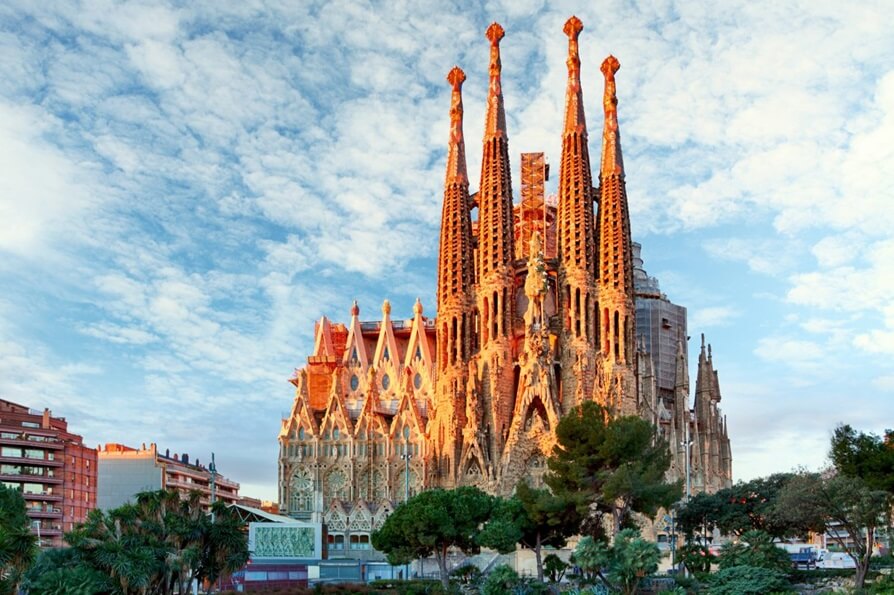
- Sagrada Familia (Barcelona): €24 (or skip for free exterior)
- Free museum days: €0 (Mondays/Sundays)
- Walking tours: €0 (self-guided) or €30 (one group walking tour with €5 tip)
- Sub-total: €40–€70
Tourist Taxes (from previous research):
- Barcelona: €8 nightly (7 nights estimated €56)
- Other cities: €0 (Granada, Seville, Córdoba, Madrid have no tourist tax)
- Sub-total: €56
Total 10-Day Budget:
- Budget scenario: €250 + €200 + €112 + €50 + €56 = €668 (€67/day)
- Ultra-budget scenario (free walking tours, free museums, no premium attractions): €550 (€55/day)
- Moderate-comfort scenario (paid tours, premium attractions): €850–€950 (€85–€95/day)
Money-Saving Hacks
- Stay longer in cheaper cities: Triple your time in Granada (€25 accommodation, free tapas meals) vs. Barcelona (€70+ accommodation, paid tapas)
- Book flights/trains months in advance: 60–90 days ahead captures lowest fares for trains; 2–3 months for accommodations
- Travel during shoulder season (April–May, September–October): 30–50% cheaper than July–August; weather still excellent
- Combine grocery shopping with eating out: Buy breakfast and dinner supplies; eat hearty menú del día lunch; reduces overall costs
- Use public transport passes: Daily/monthly passes dramatically cheaper than single tickets
- Skip expensive tourist attractions: Many cities offer free alternatives; Sagrada Familia exterior is free; Alhambra evening tickets sometimes cheaper
- Leverage free museum days: Plan itineraries around free entry Sundays/Mondays; saves €50+ weekly
- Embrace walking: Most Spanish cities built for pedestrians; walking is free, healthy, and best way to discover neighborhoods
- Eat with locals: Avoid restaurants with picture menus and multiple languages; Spanish-language venues typically cheaper and better quality
- Stay in Andalusian cities: Granada, Córdoba, Jaén offer 30–50% cost savings vs. Barcelona/Madrid for same quality experience
2026 Budget Traveler Summary
Spain remains one of Europe’s best budget destinations, particularly if you concentrate time in Andalusia. The combination of Granada’s free tapas culture (transforming food economics), affordable accommodations (€25–€40/night), cheap transportation (menú del día €8–€15), and extensive free museums enables comfortable travel for €50–€60 daily including all costs.
The strategic advantage: avoid Barcelona and Madrid for accommodation; use these expensive cities as day trips from cheaper bases. By understanding regional variations and leveraging local customs (particularly Granada’s tapas bars), budget travelers enjoy the same authentic Spanish experiences as premium travelers while spending 50–60% less.